
How to Bind Off Stitches
Three ways to bind off stitches neatly at the end of a knitting project.

Binding off (or casting off) stitches is the step you work on the final row or round of each piece of a garment. It is important to keep your yarn tension fairly loose while binding off—that is the only way to ensure your edge stays stretchy.
There are several ways to bind off, ranging from simple to more advanced.
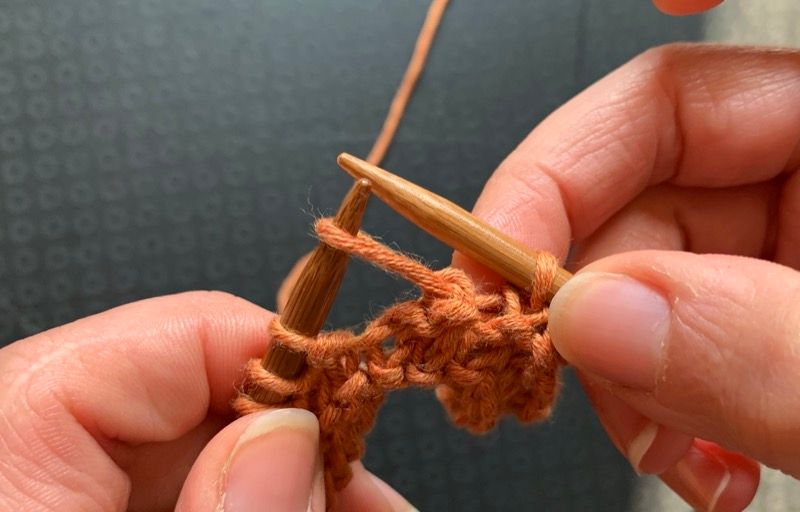
The first method I'll show you is the most common one. Work two stitches as they appear on the needle, then pass the first stitch worked over the second; next, work one more stitch and pass the remaining stitch over it.
Keep going like this until you have bound off all your stitches, taking care to always work them as they present themselves—knit the knit stitches and purl the purl stitches (for example, when binding off ribbing or seed stitch).
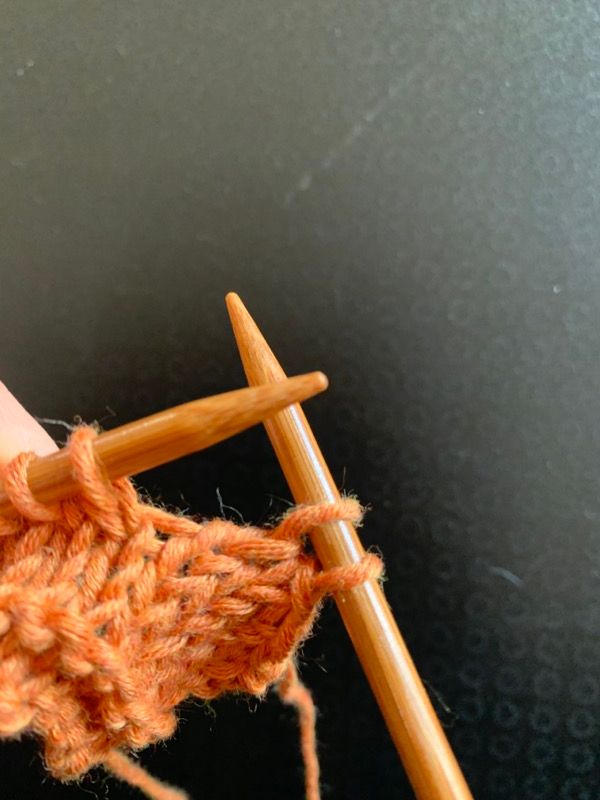
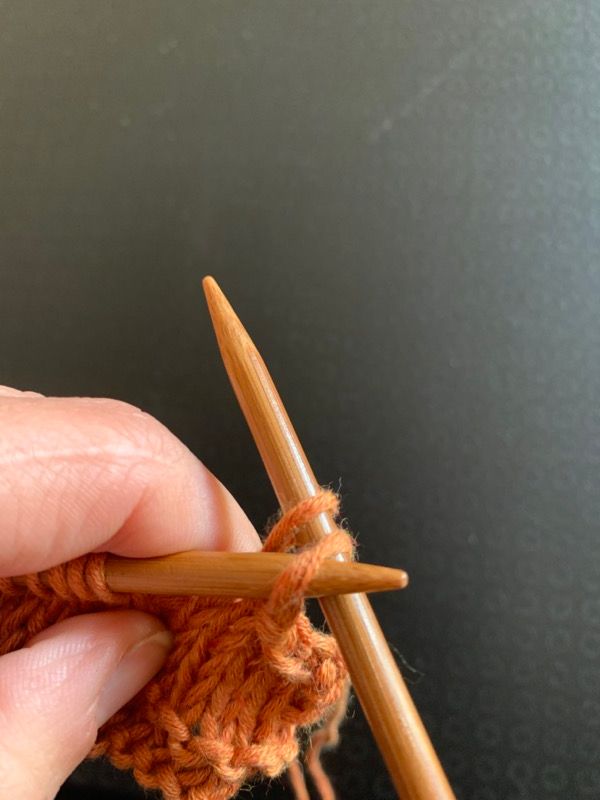
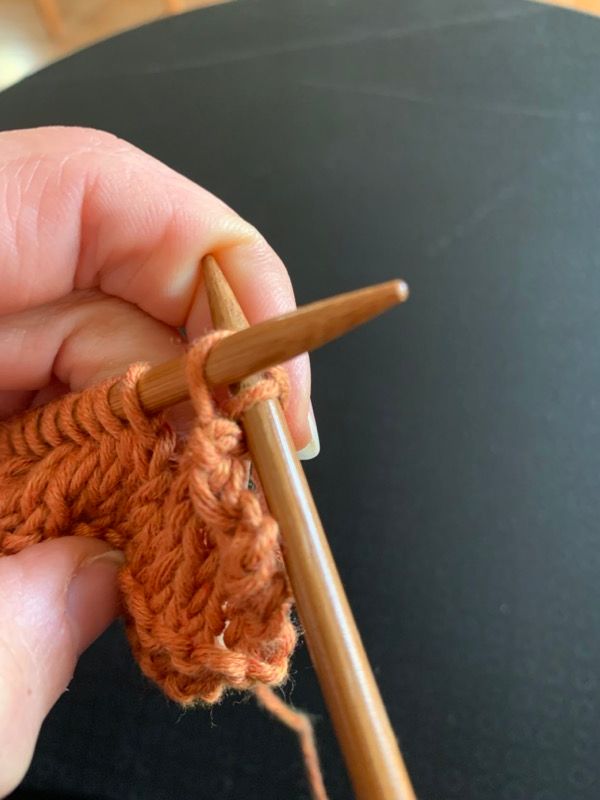
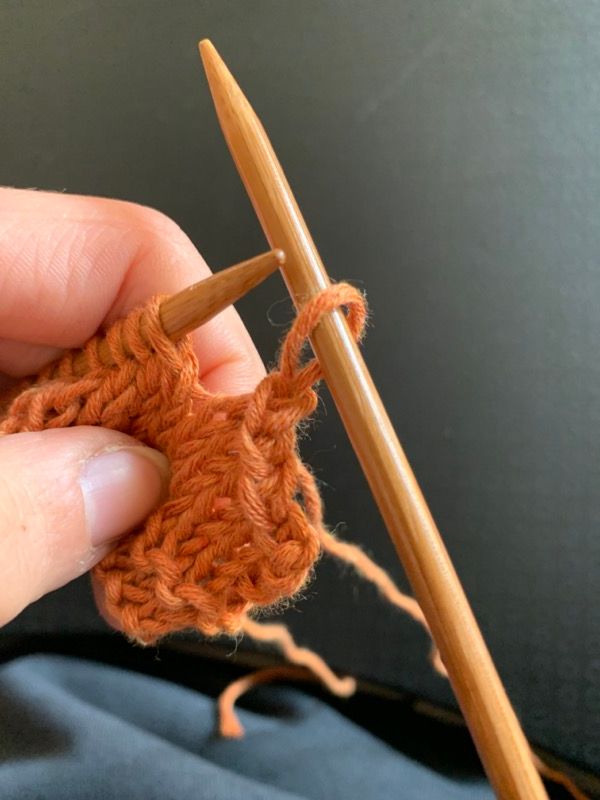
The second method is especially recommended if you tend to knit with tight tension or when you need to keep your stitches very loose.
Binding off this way gives you a very stretchy edge.
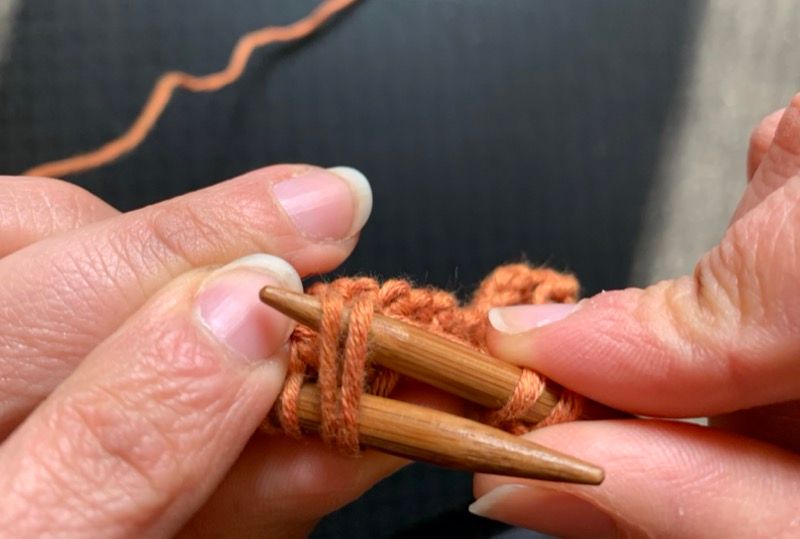
Work two stitches and pass the first stitch over the second, but without dropping it off the left needle. Insert the right needle into the next stitch through the back loop, and only after working that stitch do you drop the passed-over stitch off the left needle.
Repeat this sequence across all stitches.
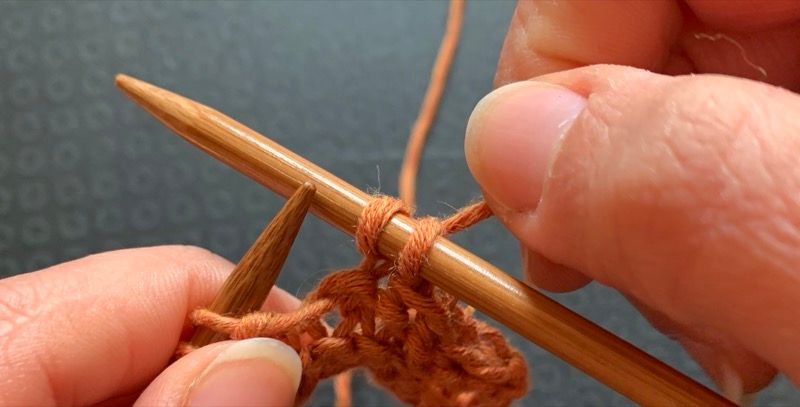
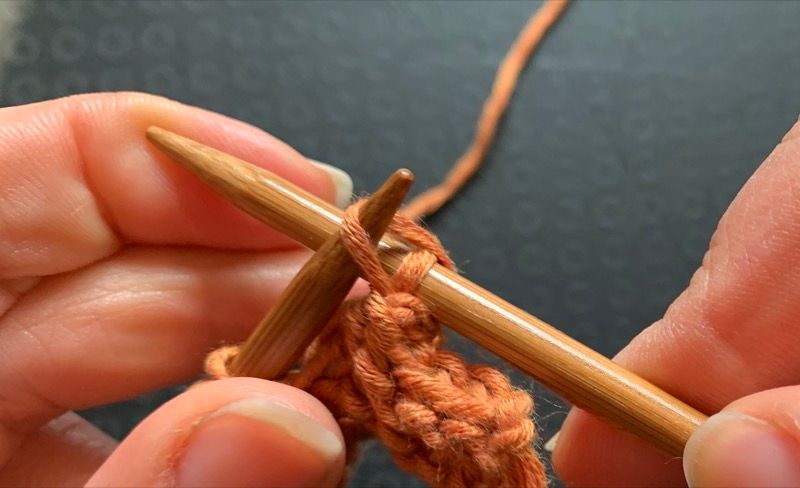
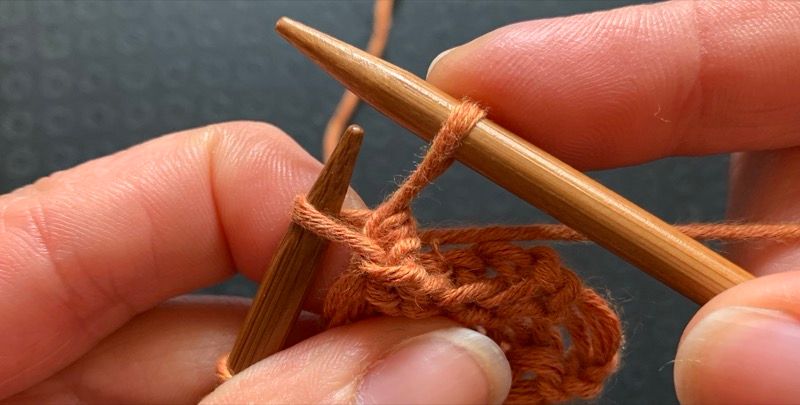
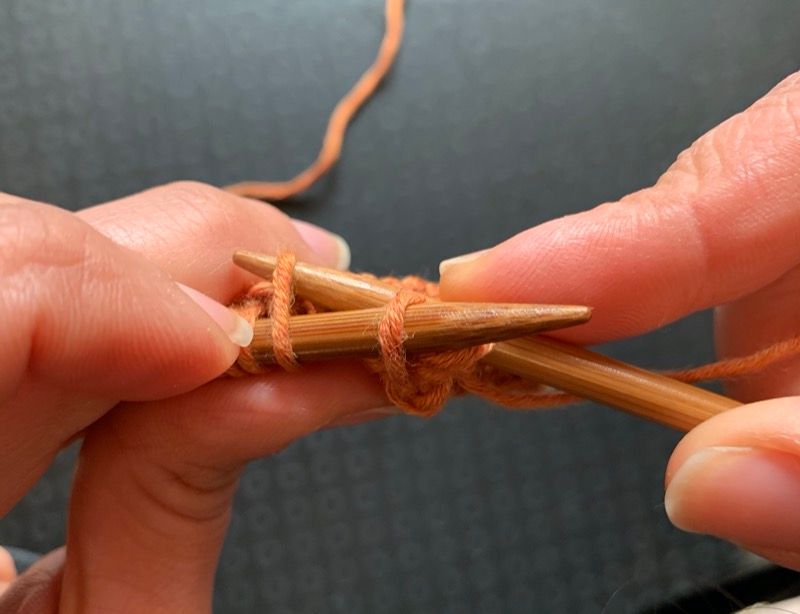
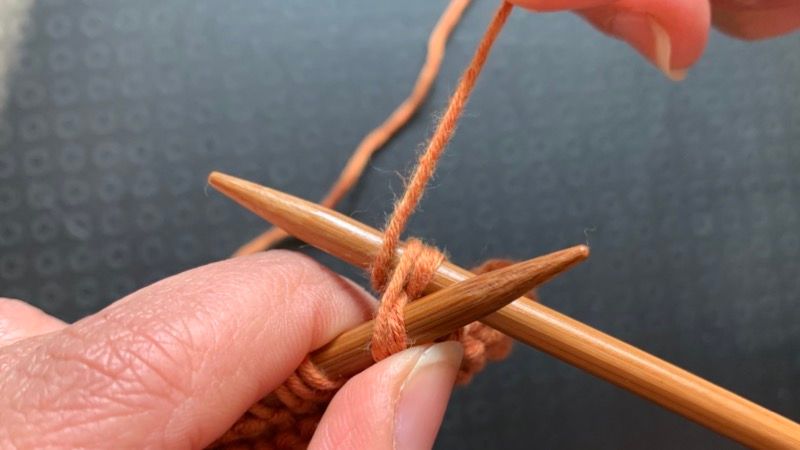
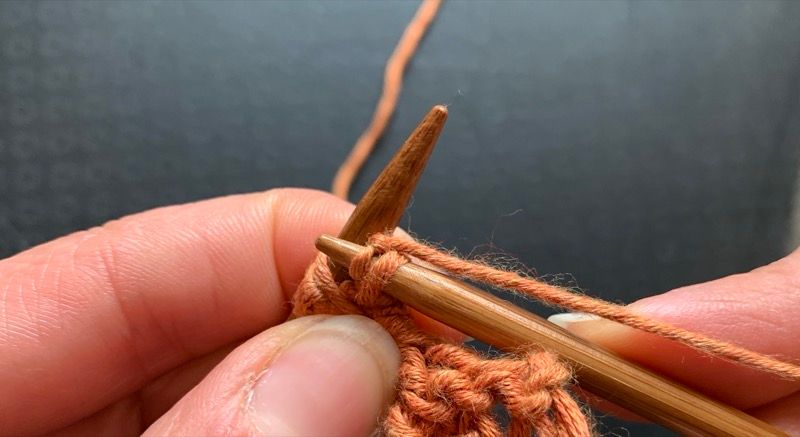
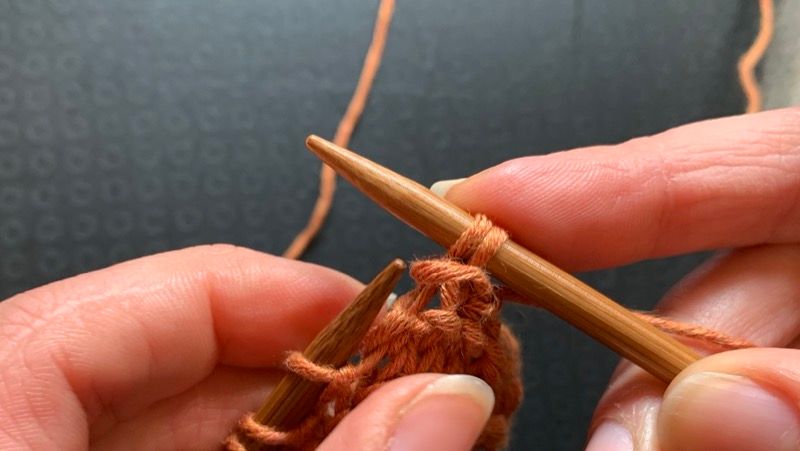
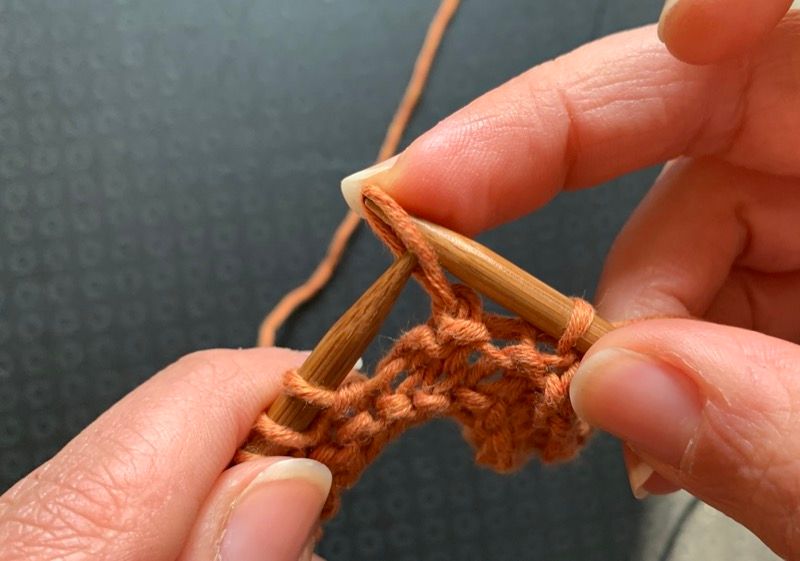
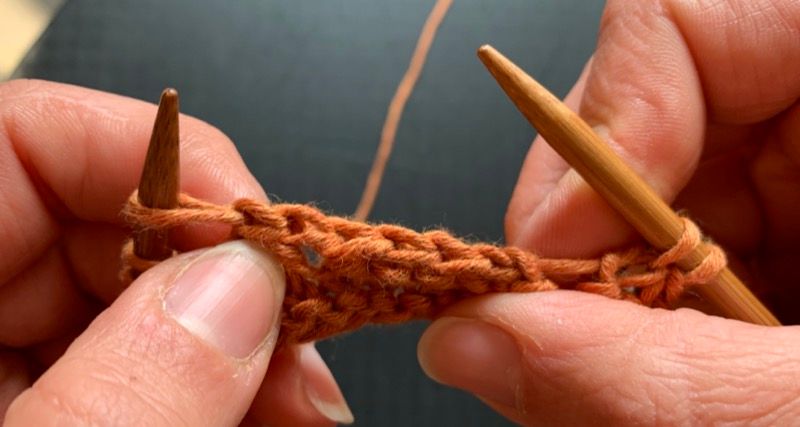
For the third method, knit the first two stitches of the row or round together through the back loop (just like knitting through the back loop). You will end up with one stitch—slip it back onto the left needle and knit it together with the next stitch through the back loop again. Slip that new stitch back onto the left needle and repeat all the way across.
Download the free book "From Zero to Knitter"
Learn to knit the simple way! Over 30 beginner-friendly stitches and 4 easy projects — 170 pages, free PDF.