
How to Cast On Stitches with Two Needles (First Method)
You don't always have to measure out a long tail of yarn in advance to cast on—you can also cast on using two needles!

Casting on stitches with two needles is very practical when you need to cast on a very large number of stitches and it becomes difficult to estimate the length of the yarn tail, which in the standard or long-tail cast-on is held on the left.
There are two different methods for casting on with two needles.
The first method is also known as the "French method" (knitted cast-on).
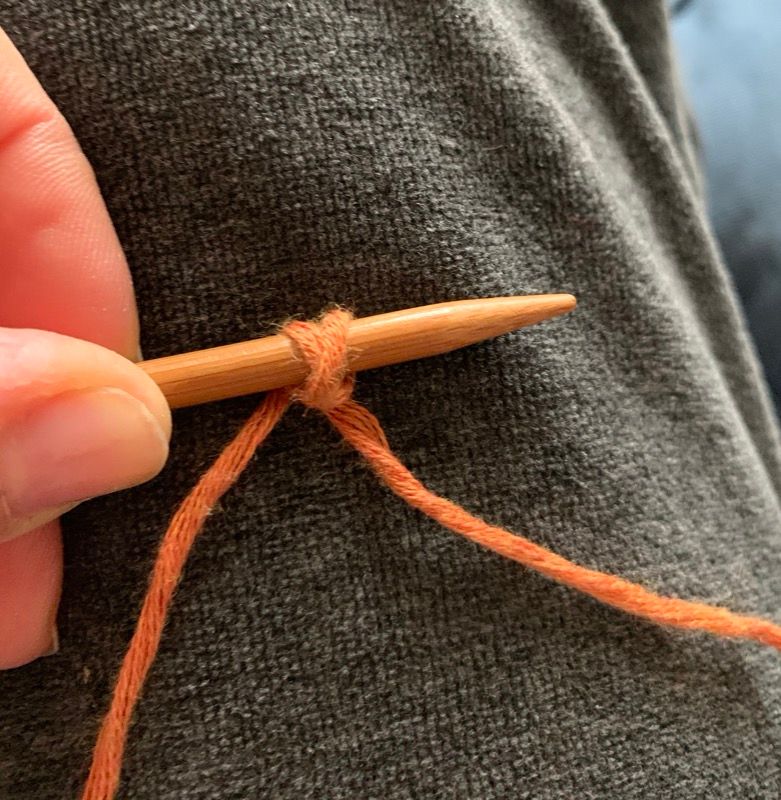
The first stitch is made just like a standard cast-on, with a slip knot, except you don't need to leave a long tail on the left because the stitches will be cast on using the working yarn from the ball.
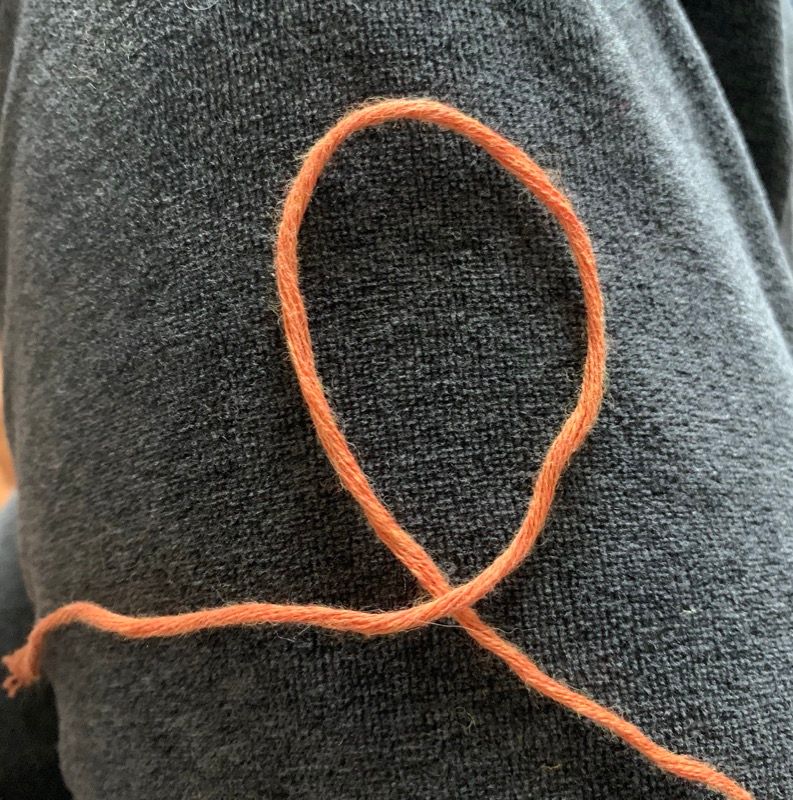
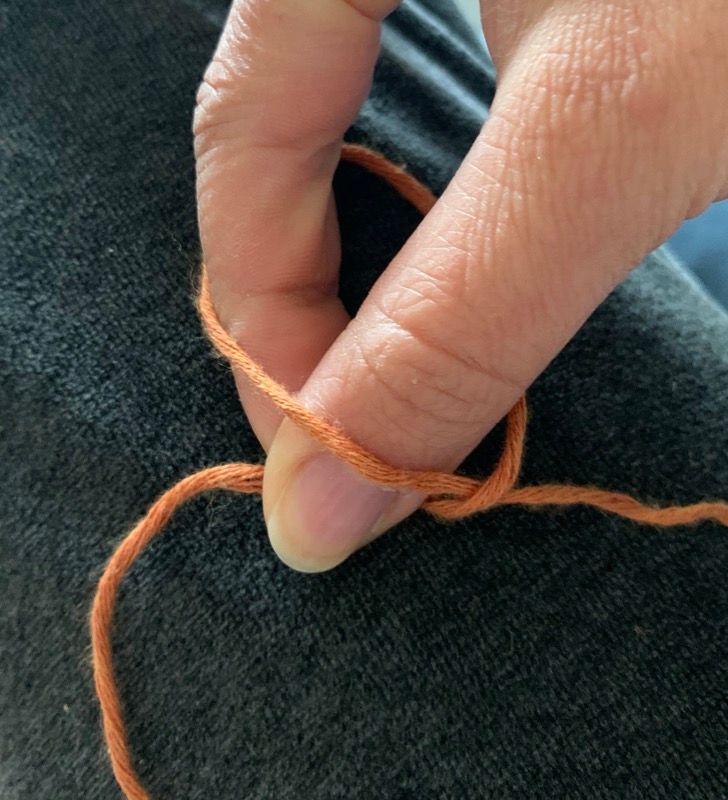
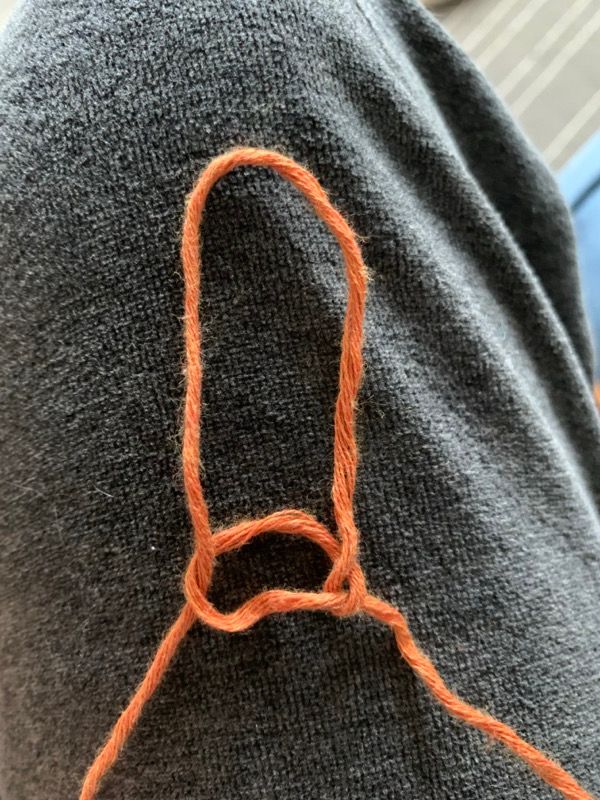
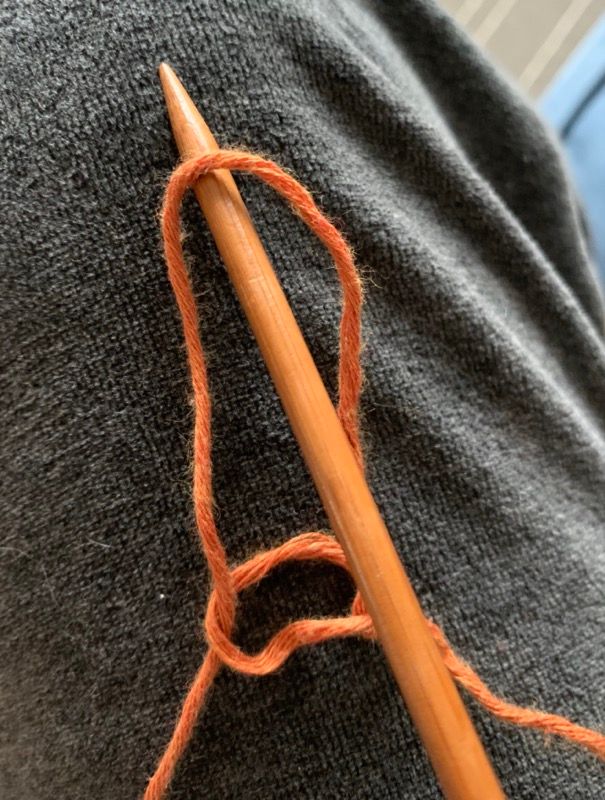
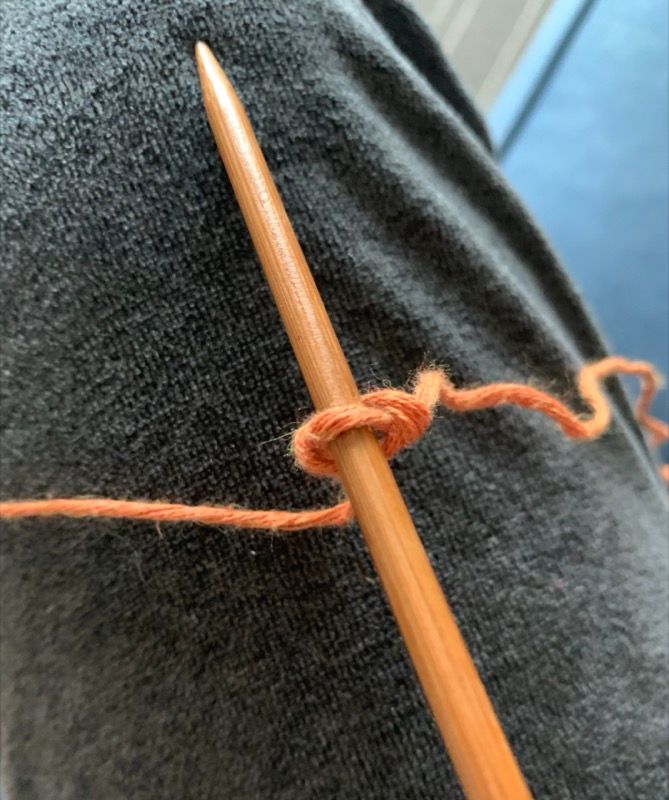
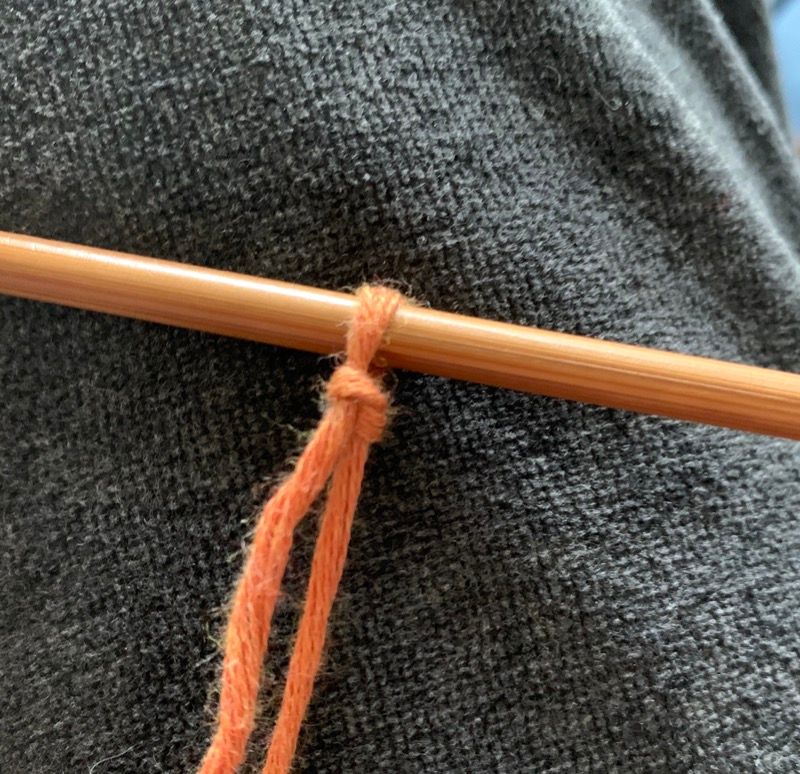
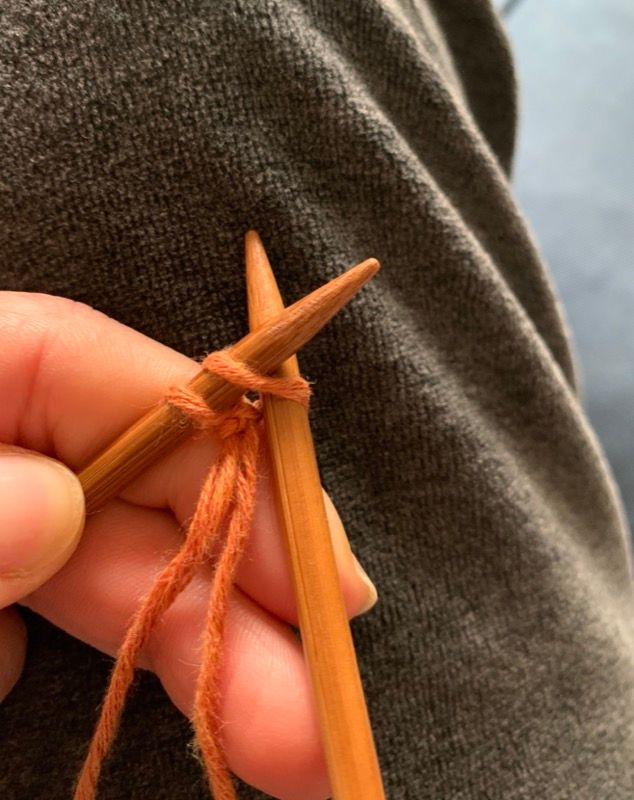
Hold the needle with the first stitch in your left hand.
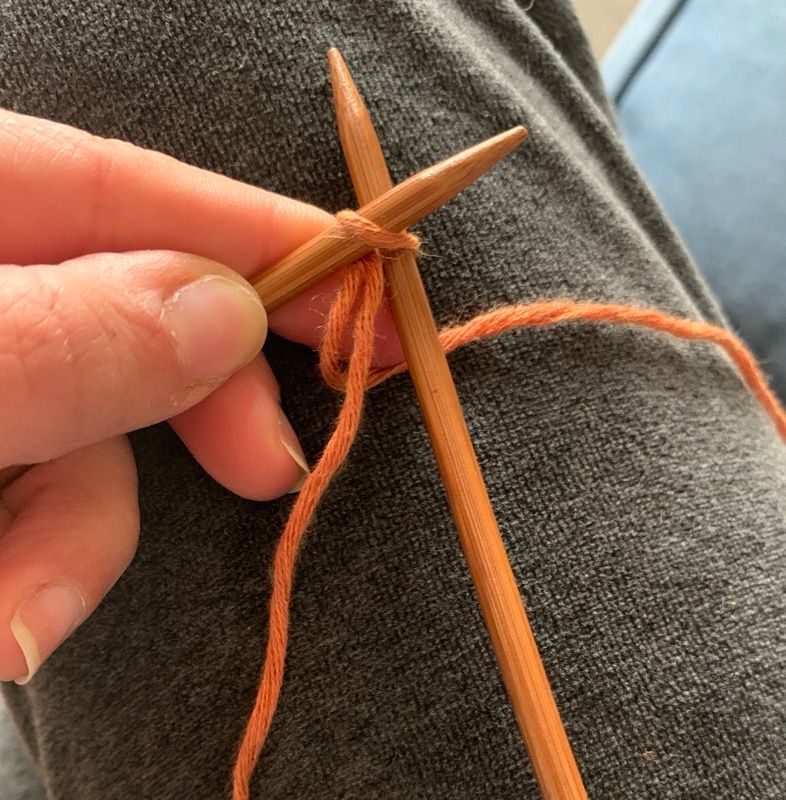
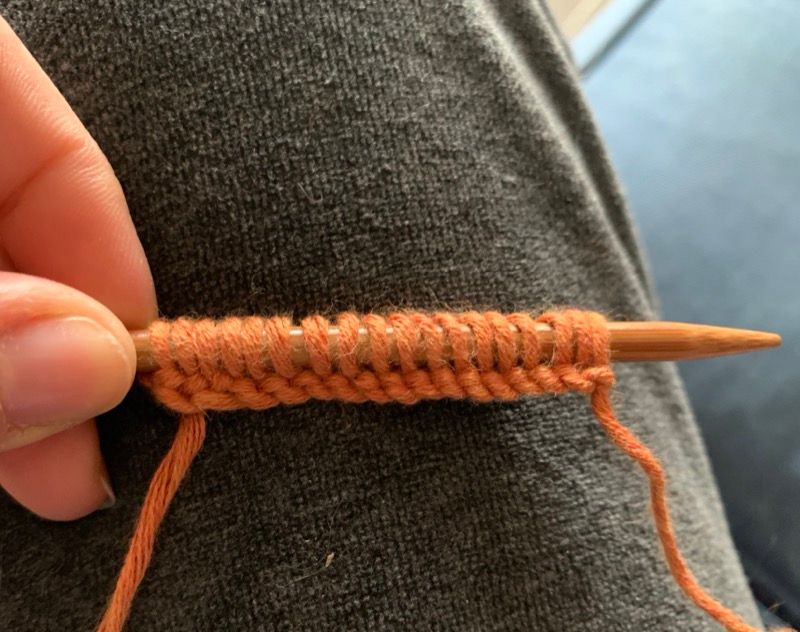
With the right needle, insert into the first stitch from left to right, wrap the yarn around the right needle from bottom to top, and pull a loop through the first stitch without slipping it off the left needle.
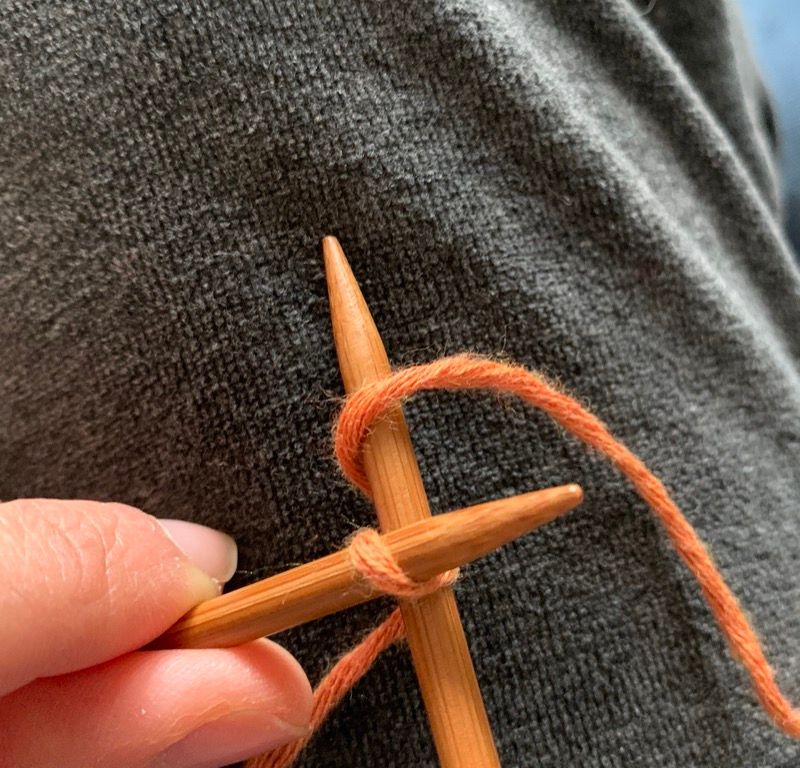
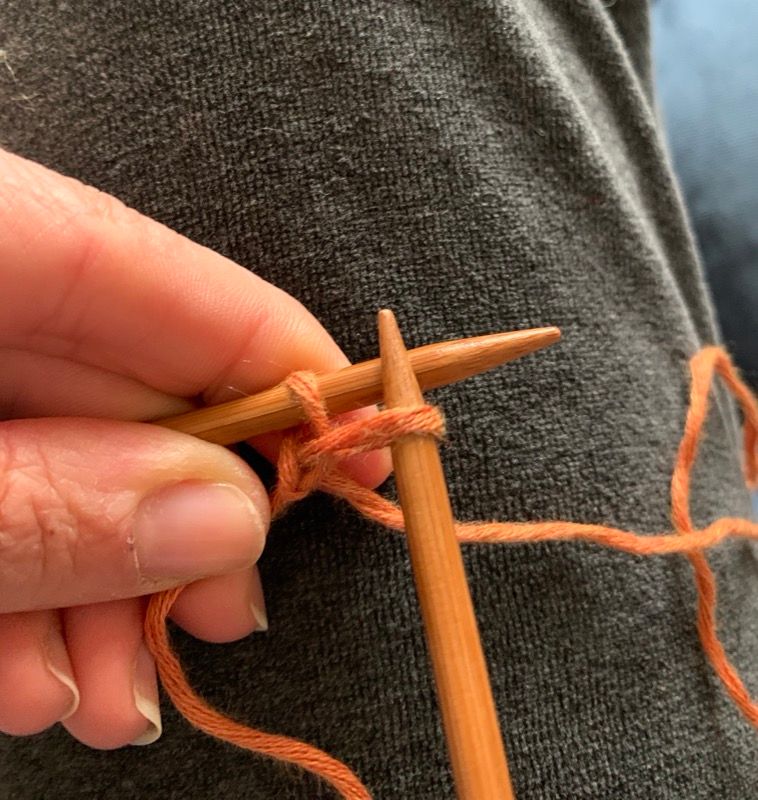
Transfer the stitch you just pulled through onto the left needle and place it next to the first one. With your right hand, gently tug the yarn to snug the stitch on the needle.
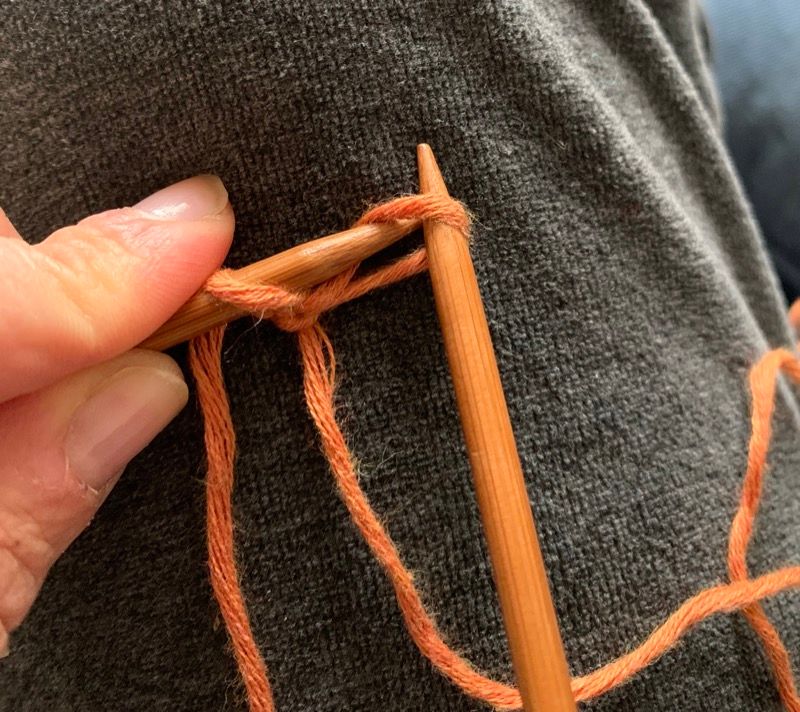
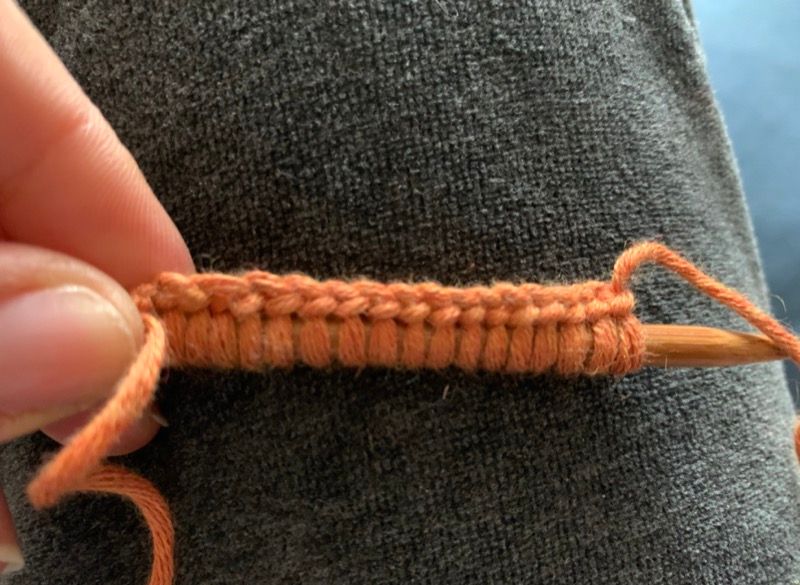
Repeat this sequence for the number of stitches you need.
Download the free book "From Zero to Knitter"
Learn to knit the simple way! Over 30 beginner-friendly stitches and 4 easy projects — 170 pages, free PDF.