
How to Do a Three-Needle Bind-Off
Follow this step-by-step photo guide to learn how to join and bind off your knitting using three needles.

The three-needle bind-off creates a straight seam and is often used to join the shoulders of a dress or sweater, the bottom of bags, and even stitches left on hold under the sleeves.
Many knitters also find this bind-off method easier to work—and more comfortable on the feet—for closing sock toes, even though it leaves a noticeable seam.
The three-needle bind-off stretches only slightly, making it ideal when you need a flexible finish that still holds its shape.
This type of bind-off forms a chain seam.
If you want to hide the seam on the inside of your work, turn the piece inside out by pushing the fabric between the needles before binding off, so that the two pieces are held right sides together.
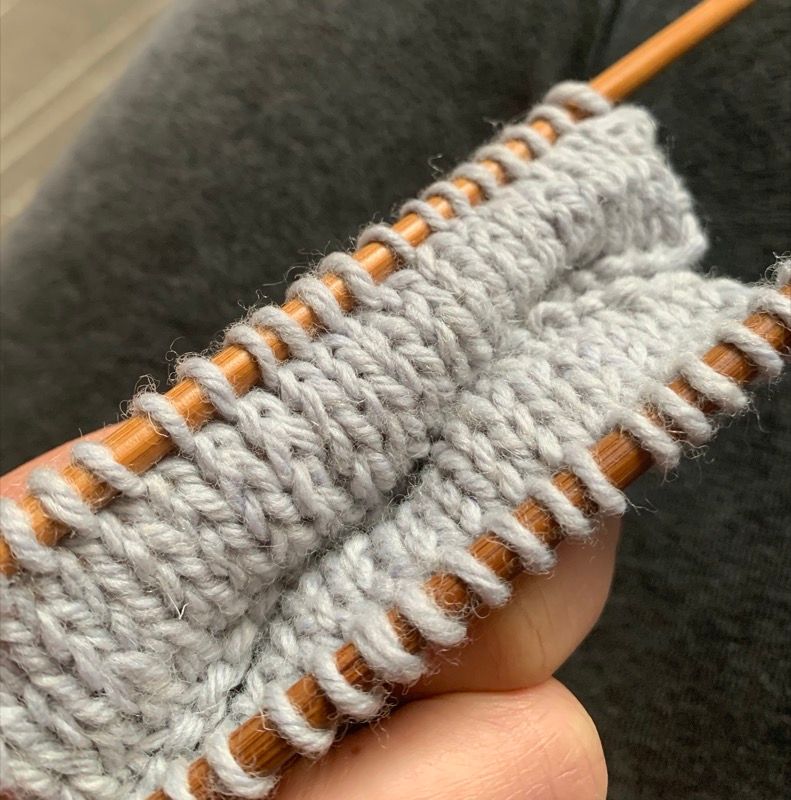
Divide the stitches in half.
If you are working with double-pointed needles, place half the stitches on one needle and half on the second needle.
If you are working with circular needles, find the halfway point and pull the cable out between the stitches at that spot.
If you are working with two circular needles at the same time or using the Magic Loop technique, your stitches should already be split in half, though it's still a good idea to check before starting the bind-off.
- Slide the stitches close to the tips of the needles.
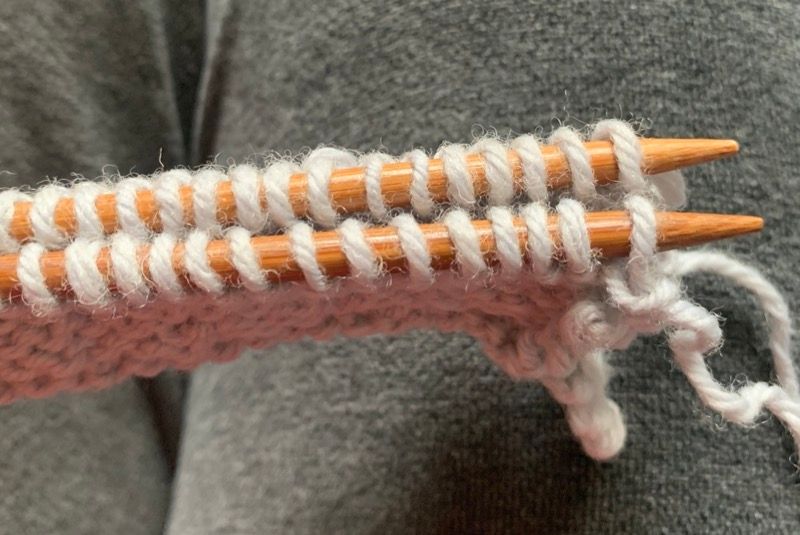
2. Using the third needle, knit the first stitch from the front needle together with the first stitch from the back needle.
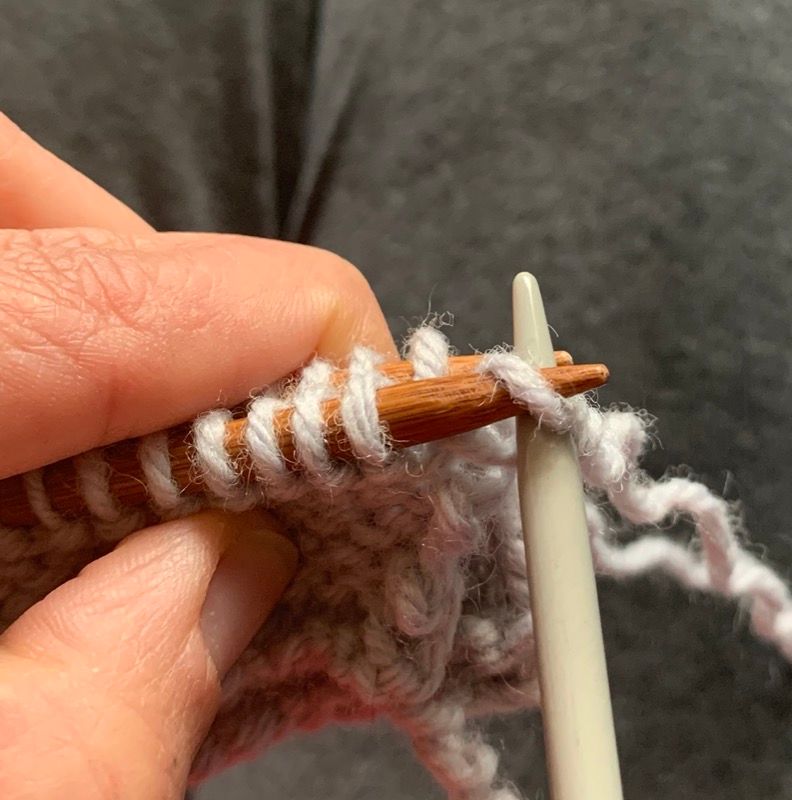
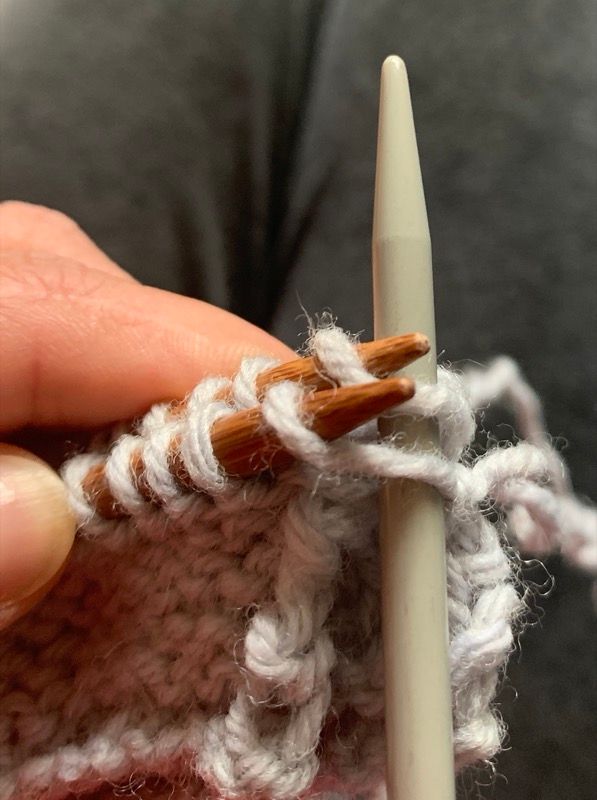
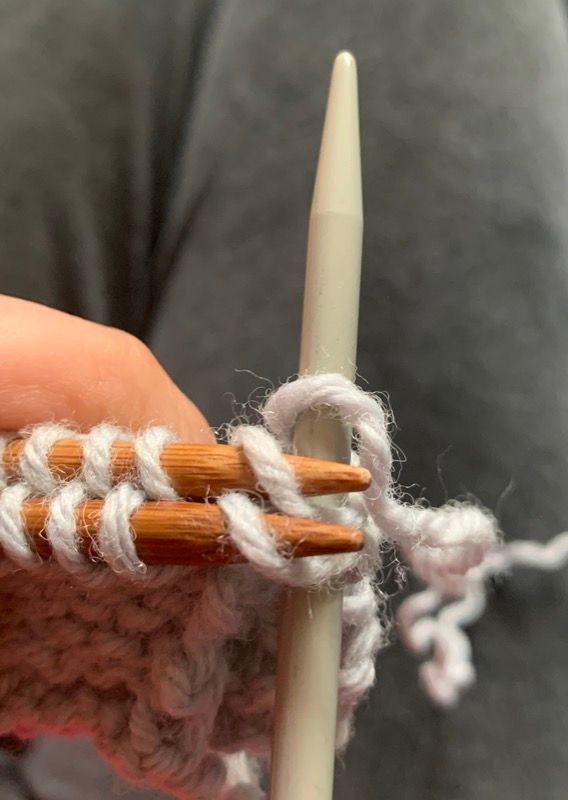
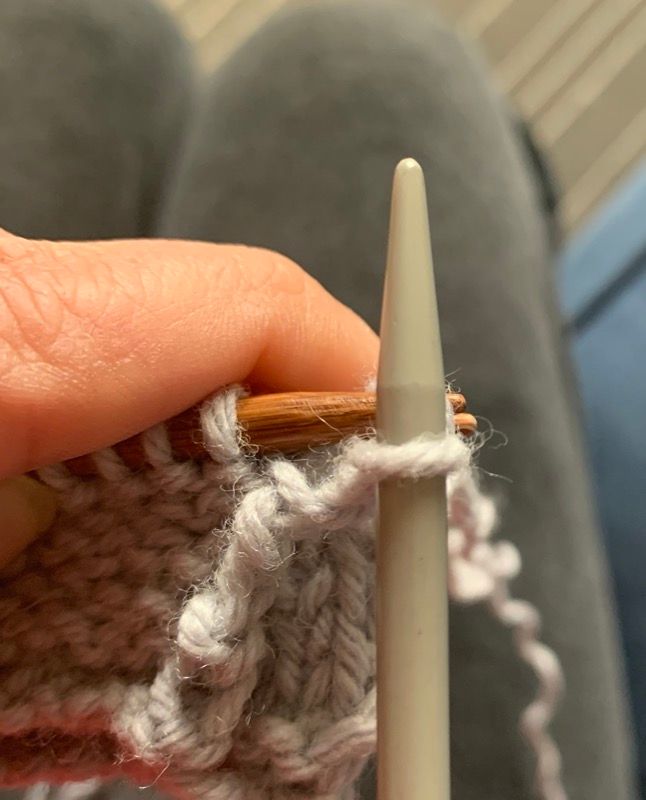
3. Work the second pair the same way: one stitch from the front needle and one stitch from the back needle.
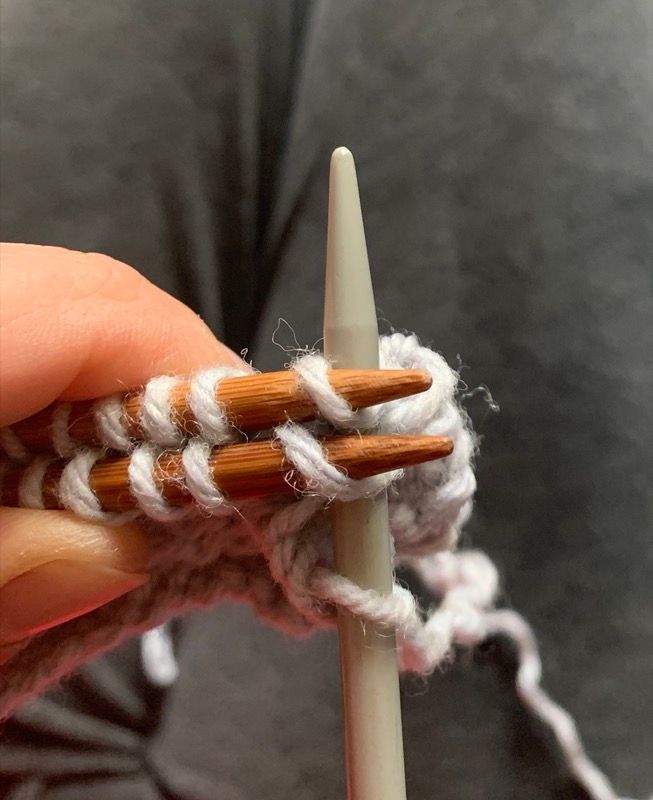
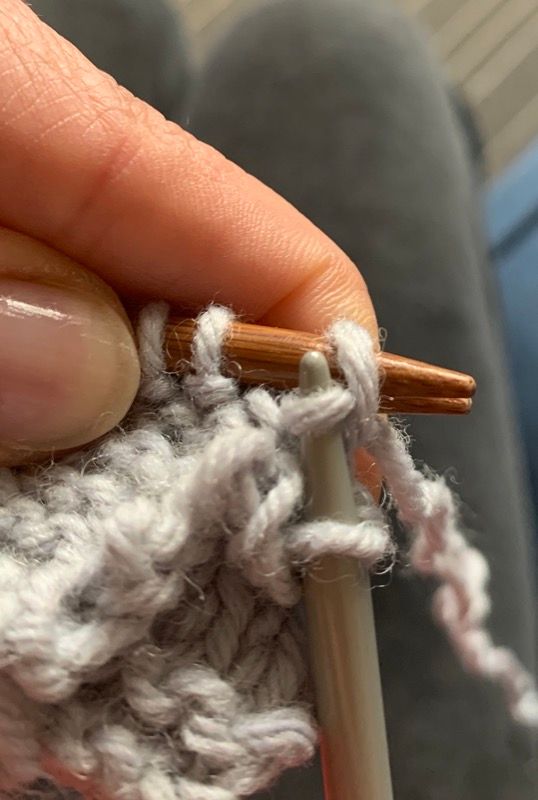
4. Pass the first stitch on the right needle over the second stitch you just worked, just as in a standard bind-off.
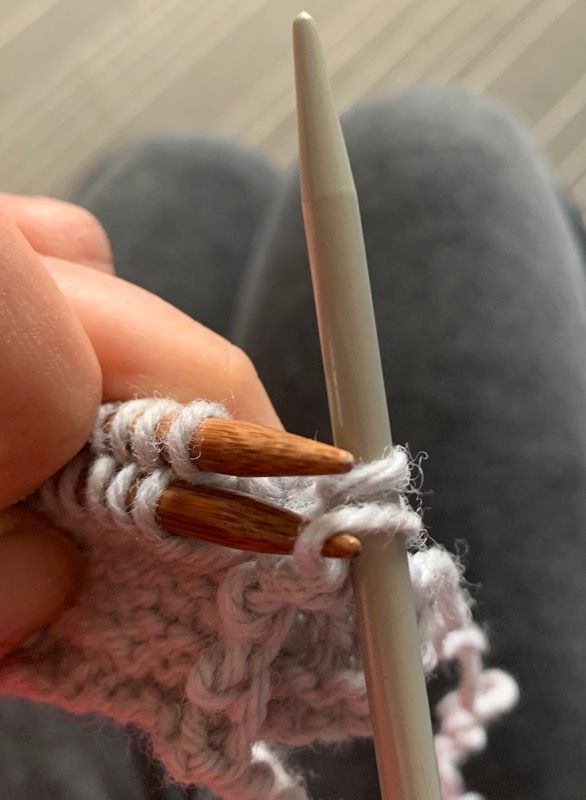
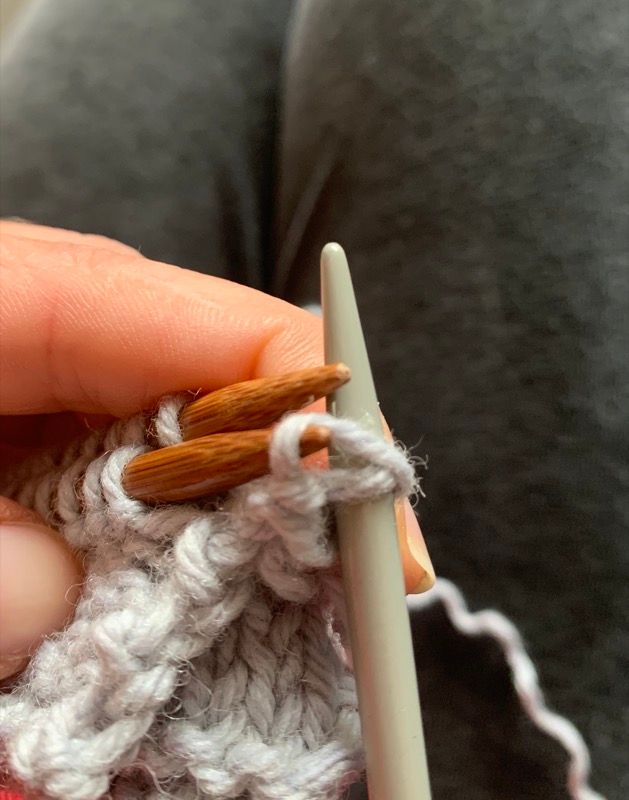
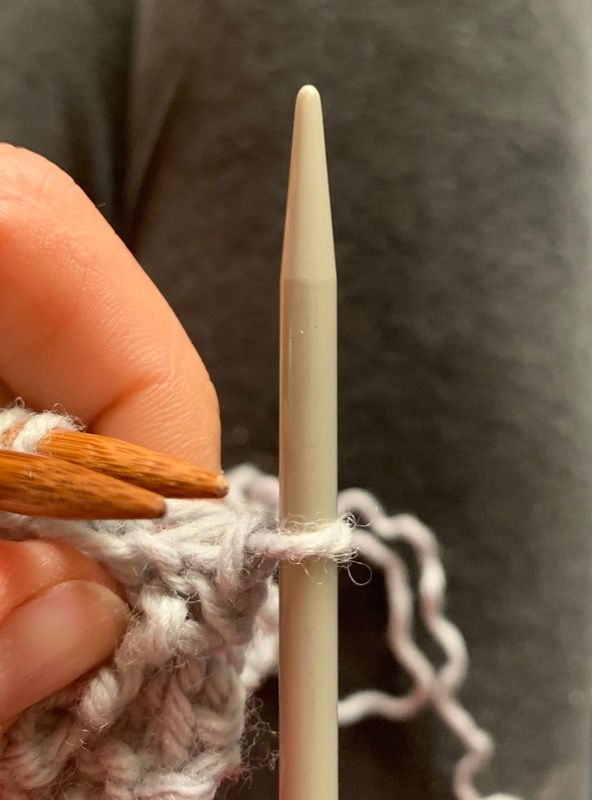
Repeat steps 3 and 4 until all stitches are bound off.
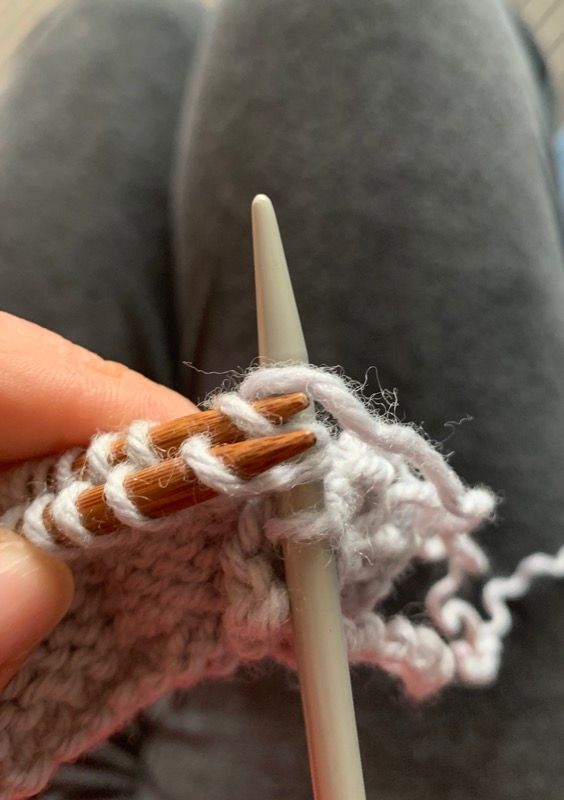
If you started with an odd number of stitches, you will have one stitch left at the end. Work it on its own to finish the seam.
Download the free book "From Zero to Knitter"
Learn to knit the simple way! Over 30 beginner-friendly stitches and 4 easy projects — 170 pages, free PDF.