
How to Knit with Two Strands of Yarn
How to knit a project holding two strands of yarn together.

Many knitting patterns call for holding two strands of yarn together. What does that mean?
It simply means you need to knit with two strands at once.
For example, if a pattern says to work with two strands of Mohair or two strands of Alpaca, both strands can actually come from the same ball of yarn by using its two ends (you'll find one of them tucked inside the center of the ball).
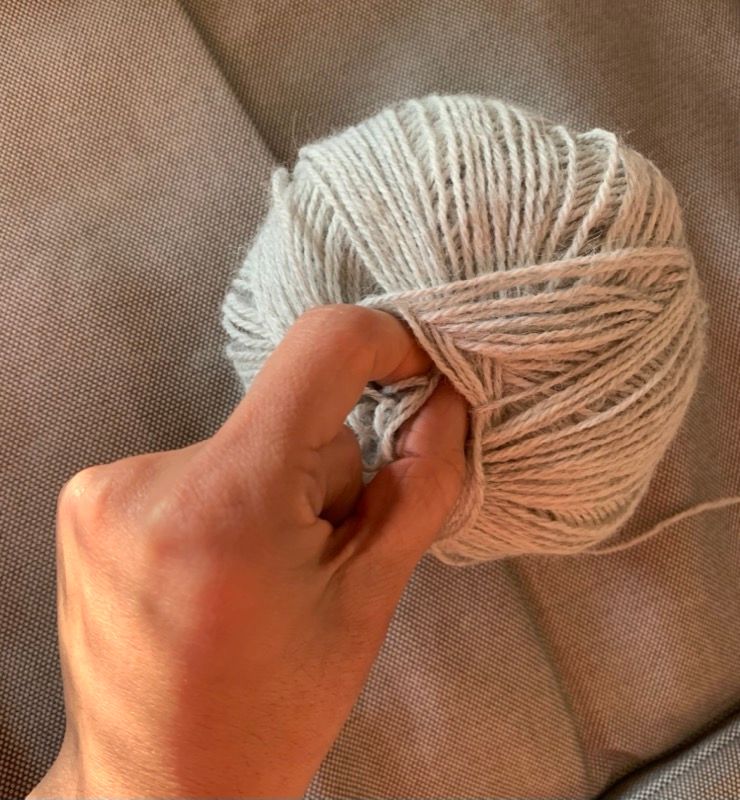
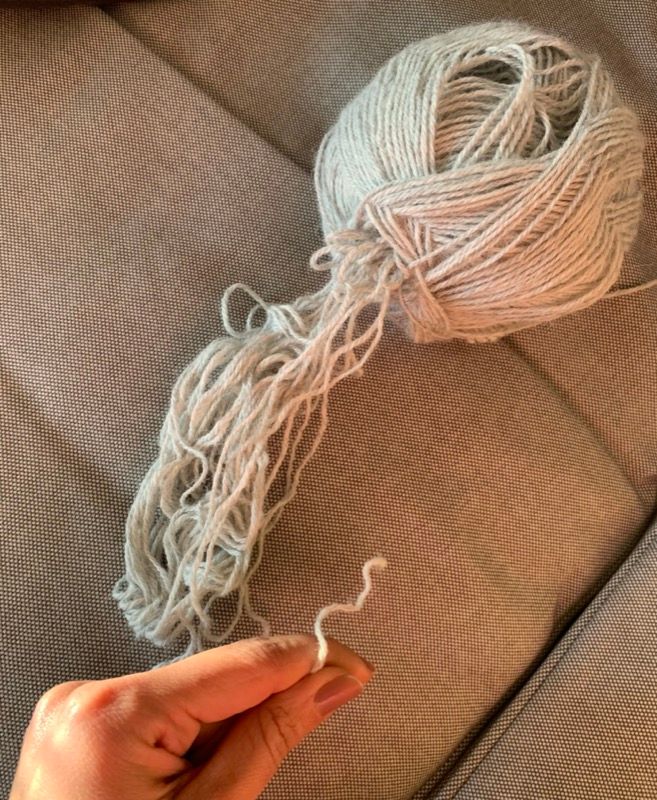
Take both the outer end and the center-pull end of the ball and cast on your stitches holding the two strands together.
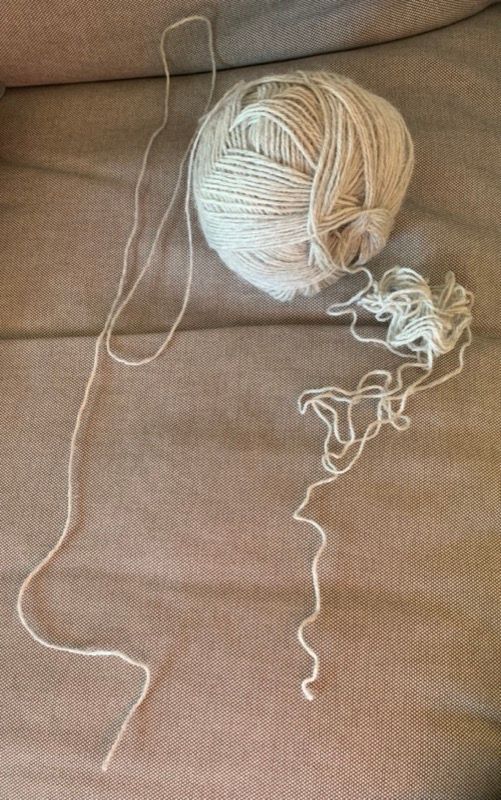
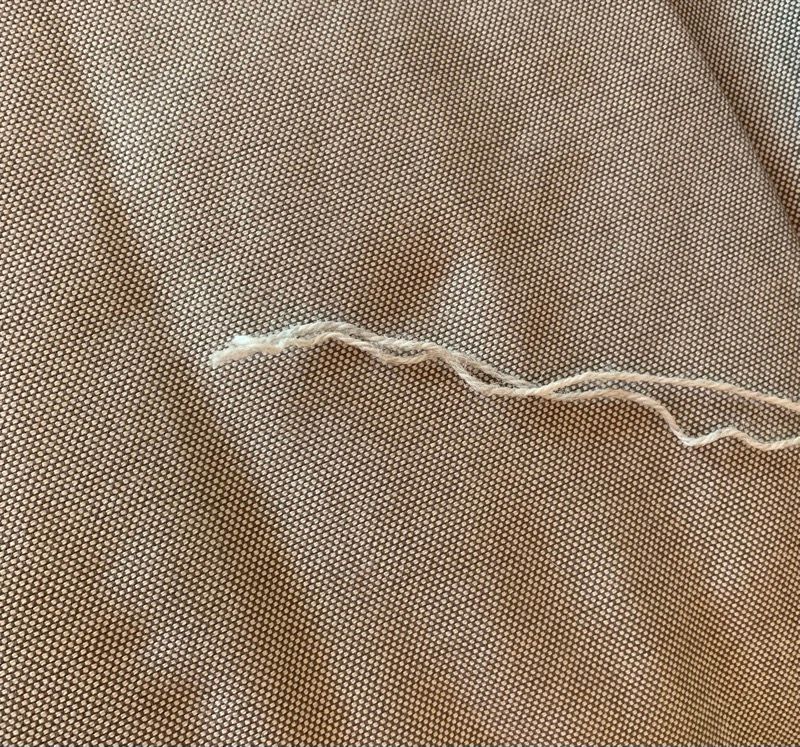
Of course, by doing this you are doubling the thickness of the yarn, so the needle size you'll need will go up too.
If the recommended needle size for a single strand is around 3–3.5 mm, doubling the yarn will probably mean using 5.5–6 mm needles.
This is definitely not a strict rule—always knit a gauge swatch and take a good look at it. If the stitches look too tight or dense, switch to larger needles; if your stitches are too loose, go down to smaller needles.
You can also use two separate balls of the exact same yarn; it makes no difference at all, except that once you finish your project you might be left with two half-used balls.
Holding two strands together also works with different types of yarn (so strands coming from 2 different balls)—for example, pairing Alpaca with Mohair to give your sweater, scarf, or hat that extra softness and halo it wouldn't otherwise have.
To keep your yarn balls from tangling together while you knit (especially when working with a fine, airy yarn like mohair), you can put each ball in its own paper bag so the two never meet until they reach your hand, or keep each ball in a ceramic or wooden yarn bowl—there are gorgeous ones made especially for knitters!
Download the free book "From Zero to Knitter"
Learn to knit the simple way! Over 30 beginner-friendly stitches and 4 easy projects — 170 pages, free PDF.